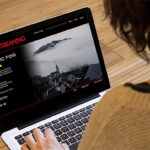
Product demo videos work best when they speak directly to what viewers in a specific market care about most, and strong video localization turns a generic one-size-fits-all presentation into something that feels built for their exact needs. A demo that lands perfectly for audiences in one region can feel disconnected, overly technical, or even confusing for viewers in another, simply because it references use cases, workflows, or context that does not match their daily experience. Teams that put intentional work into this process often see far higher engagement, clearer audience understanding, and fewer follow-up questions that come from misinterpreted demo content.
Start every localization pass for demo content by mapping the core value propositions against the priorities of the target audience. The original demo might highlight workflows that are standard in one market, but those same steps could be unfamiliar or irrelevant to users who operate under different common practices. Localization teams that work closely with regional subject matter experts can identify which sections deserve extra context, which examples should be adjusted, and which parts of the demo need to lead with the pain points local audiences actually face every day. This alignment keeps the demo from feeling like a foreign presentation that was simply translated word for word.
Script adaptation for product demos requires more than literal translation, because every line needs to preserve the clear, persuasive flow that makes a demo feel natural and convincing. Stiff, overly formal translation can make even the most intuitive feature feel complicated and hard to follow. Experienced localization teams work with writers who speak the target language natively and understand how audiences in that region talk about similar tools and solutions. They adjust phrasing to match local conversational norms, avoid idioms that do not translate well, and make sure every step of the demo explanation stays clear, concise, and easy to follow for someone who might be watching the video to decide if the solution fits their needs.
On-screen visual localization for demos needs careful attention to small details that most casual viewers will notice on a subconscious level. UI overlays, on-screen callouts, example data points, and workflow screenshots should all be adjusted to reflect the version of the experience that local users actually interact with. A demo that shows interface elements that local users will never see can create unnecessary confusion and make viewers feel like the content was not made for them. Even small choices like the example names, sample documents, or workflow scenarios shown on screen should be reviewed to make sure they feel familiar and relevant to people in the target market, instead of referencing contexts that feel distant or unrelated.
Audio and pacing adjustments are especially critical for demo videos, where timing directly impacts how well viewers follow along with each step. Different languages naturally have different speech rhythms, and a translated voiceover can easily fall out of sync with on-screen actions, cursor movements, and feature walkthroughs if you do not account for this shift. Teams that do this well adjust edit points slightly, add small natural pauses, or extend the display time for on-screen elements to match the new audio flow. This keeps the demo feeling smooth, logical, and easy to follow, so viewers never feel like the explanation is rushing ahead of the action they are seeing on screen.
Many teams that regularly localize demo content for global audiences have learned through experience that the most effective work happens when local stakeholders get a chance to review the final cut before it goes live. These local teams catch small, easy-to-miss issues that central production teams would never notice, from subtle cultural missteps to phrasing that does not match how local customers normally talk about the product. This extra layer of review does not add unnecessary work, it makes sure the final localized demo feels authentic, clear, and fully aligned with what local audiences actually need to see.