Difference between dubbing and subtitling in Video Localization

Difference Between Dubbing and Subtitling in Video Localization When content crosses borders, two methods dominate the conversation: dubbing and subtitling. Both aim to make video accessible in another language, but they do so in fundamentally different ways — and each comes with its own set of trade-offs that teams need to weigh carefully before committing. […]
How to plan Video Localization for global expansion
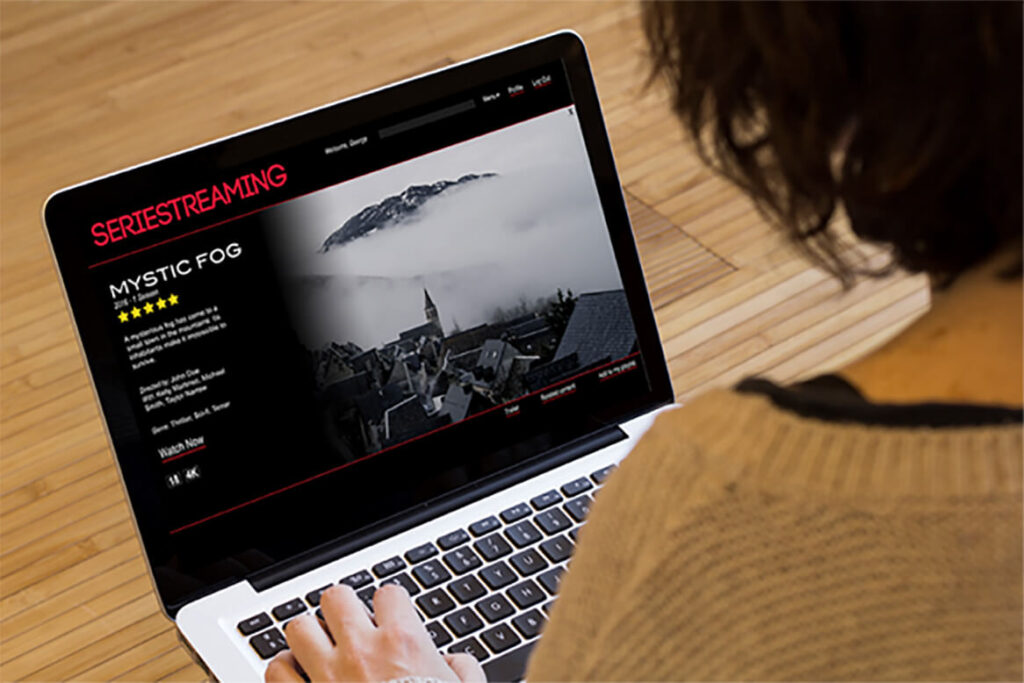
How to Plan Video Localization for Global Expansion Going global with video content is not just about translating a few scripts and uploading them to different platforms. It requires a strategic plan that starts well before a single word gets dubbed or a single subtitle gets placed. Companies that rush into international markets without a […]
Key elements included in professional Video Localization

Key Elements Included in Professional Video Localization Professional video localization is not something you throw together with a translation app and a voiceover artist. It is a structured, multi-layered discipline that touches every part of the production pipeline — from the initial script all the way through to how the finished piece gets discovered by […]
Common challenges in Video Localization projects

Common Challenges in Video Localization Projects Taking a video from one market and making it work across dozens of others sounds straightforward on paper. In practice, it is one of the most complex content operations a team can undertake. Missteps happen constantly — not because people lack effort, but because the process itself is riddled […]
Video Localization for Multiple Target Language Markets

By Video Localization Production Team · Updated August 2026 Video Localization for Multiple Target Language Markets Expanding video content into multiple language markets is not a linear translation task. It is a strategic sequencing problem. Which markets first? Which content gets full dubbing versus subtitles? How do you keep production costs from multiplying while quality […]
Video Localization Using SRT Subtitle File Formats

By Video Localization Production Team · Updated August 2026 Video Localization Using SRT Subtitle File Formats SRT is often dismissed as a “basic” subtitle format, but it remains the backbone of multilingual video delivery for social, web, and e-learning. The real challenge is not the format itself — it is how teams handle encoding, timing, […]
Video Localization for Right-to-Left Language Support
By Video Localization Production Team · Updated August 2026 Video Localization for Right-to-Left Language Support RTL languages like Arabic, Hebrew, and Persian are not simply mirror images of English video. They demand bidirectional text handling, locale-aware typography, and a QA process that respects script direction at every render stage. Here is how we produce RTL […]
Video Localization with Burned-In On-Screen Captions
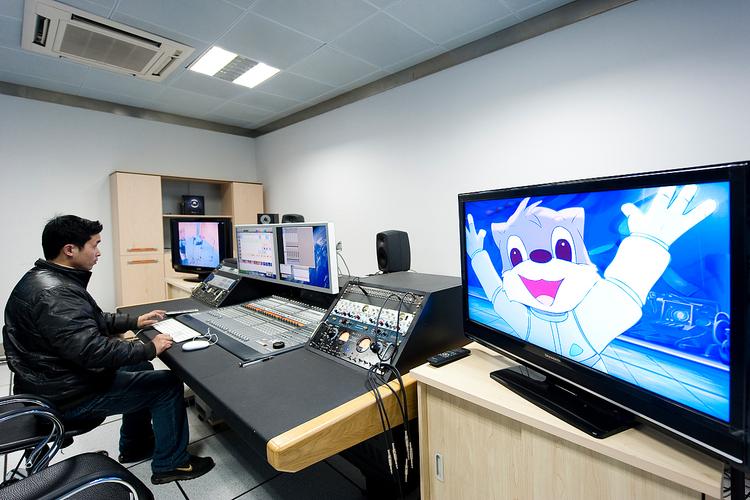
By Video Localization Production Team · Updated August 2026 Video Localization with Burned-In On-Screen Captions Burned-in captions are not a legacy fallback. For social video, silent autoplay, and brand-controlled experiences, permanently rendered multilingual text is often the most reliable delivery method. Here is how we plan, produce, and QA burned-in captions across languages without multiplying […]
Video Localization with Embedded Multi-Language Subtitles

Video Localization with Embedded Multi-Language Subtitles | Workflow, Formats & SEO By Video Localization Production Team · Updated August 2026 Video Localization with Embedded Multi-Language Subtitles What “embedded multi-language subtitles” actually means In video localization, the phrase “embedded subtitles” can refer to two very different things. The first is a burned-in or open subtitle, where […]
Video Localization: What It Is and Why It Matters for Global Brands

Video localization is the process of adapting video content for viewers in different countries or regions. It goes far beyond simply translating spoken words into another language. A complete localization strategy ensures that language, visuals, tone, cultural references, and technical details all feel natural to the target audience. The goal is to make viewers feel […]